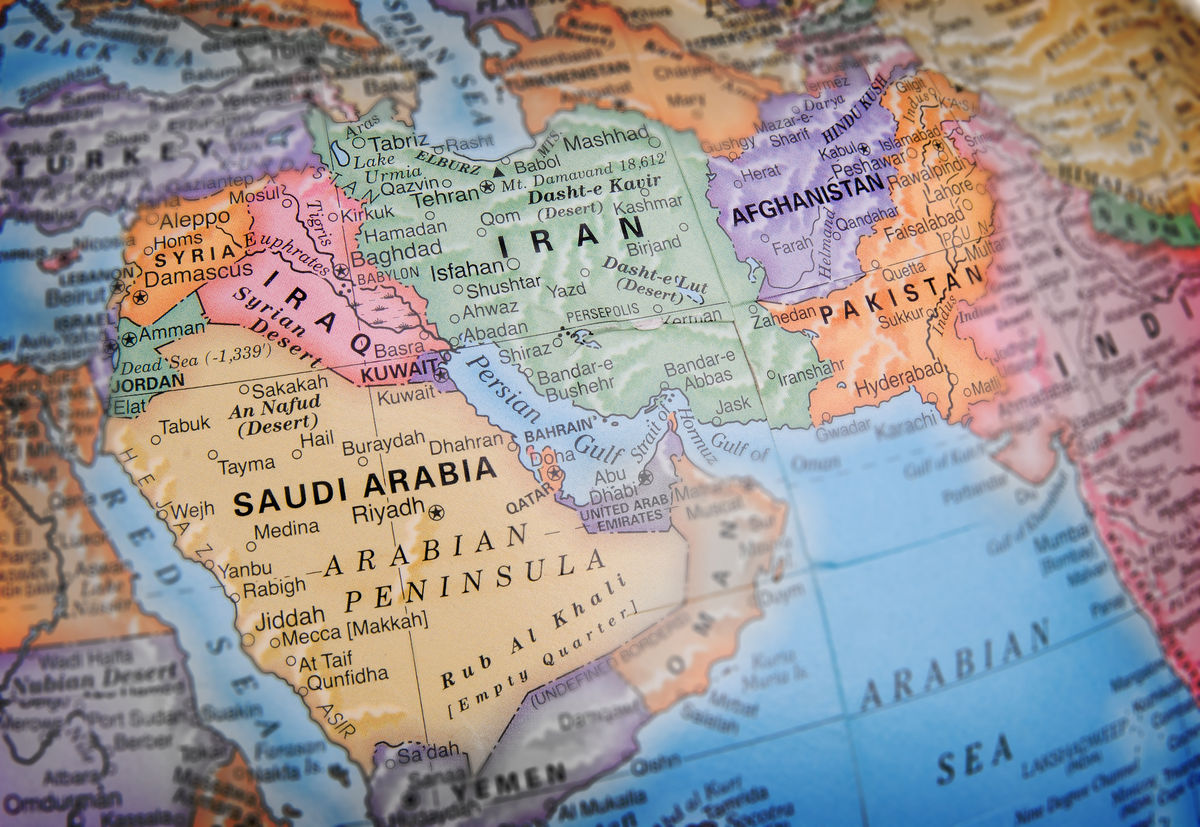
Traveling during times of war presents unique challenges and risks that significantly influence travelers' decisions and experiences. When conflict erupts, the safety of destinations becomes uncertain, and governments often impose travel restrictions or advisories to protect their citizens. These measures can lead to sudden cancellations, altered itineraries, and heightened anxiety among travelers.
Despite the dangers, some individuals choose to continue their journeys, driven by various motivations such as humanitarian aid, journalism, or personal reasons. For these travelers, understanding the local situation, staying informed through reliable sources, and maintaining flexibility are crucial for navigating wartime travel.
In conflict zones, infrastructure often suffers damage, making transportation and accommodation less reliable. Travelers must adapt to unpredictable conditions, including potential shortages of resources, disrupted communication networks, and increased security measures. Such circumstances demand heightened vigilance and preparedness to ensure safety.
Moreover, the perception of risk influences international tourism flows. Countries neighboring conflict zones may experience a decline in visitors, while others may see an influx of aid workers or journalists. The economic impact on local communities can be profound, affecting livelihoods and long-term development.
From a psychological perspective, traveling during war can evoke feelings of fear, uncertainty, and moral dilemmas. Travelers often grapple with the decision to proceed or withdraw, weighing personal safety against the desire to witness or assist in conflict areas. This complex decision-making process underscores the importance of ethical considerations and personal values.
In conclusion, war dramatically alters the landscape of travel, challenging travelers and destinations alike. While risks are heightened, resilience and adaptability remain key for those who choose to venture into conflict zones. As conflicts evolve, so too must the strategies and precautions of travelers, emphasizing safety, awareness, and respect for local circumstances.